Can Kitchen Handles and Hinges Be Replaced as Part of a Respray?
Yes — and for most kitchens, we’d recommend it. Replacing kitchen handles and hinges as part of a respray is one of the smartest decisions you can make. New handles and updated hinges transform the look just as much as the new colour does. If you’re going to the trouble of having your kitchen resprayed to a factory finish, outdated or tired ironmongery will let the whole result down. We coordinate handle and hinge replacement as a natural part of the process.
Why Hardware Matters More Than Most People Think
A kitchen respray gives your cabinet doors and drawer fronts a flawless, professional finish. But the eye is drawn to handles the moment you walk into a room. Old chrome handles on a freshly sprayed navy kitchen, for example, can look mismatched and dated almost immediately. Getting the hardware right completes the transformation.
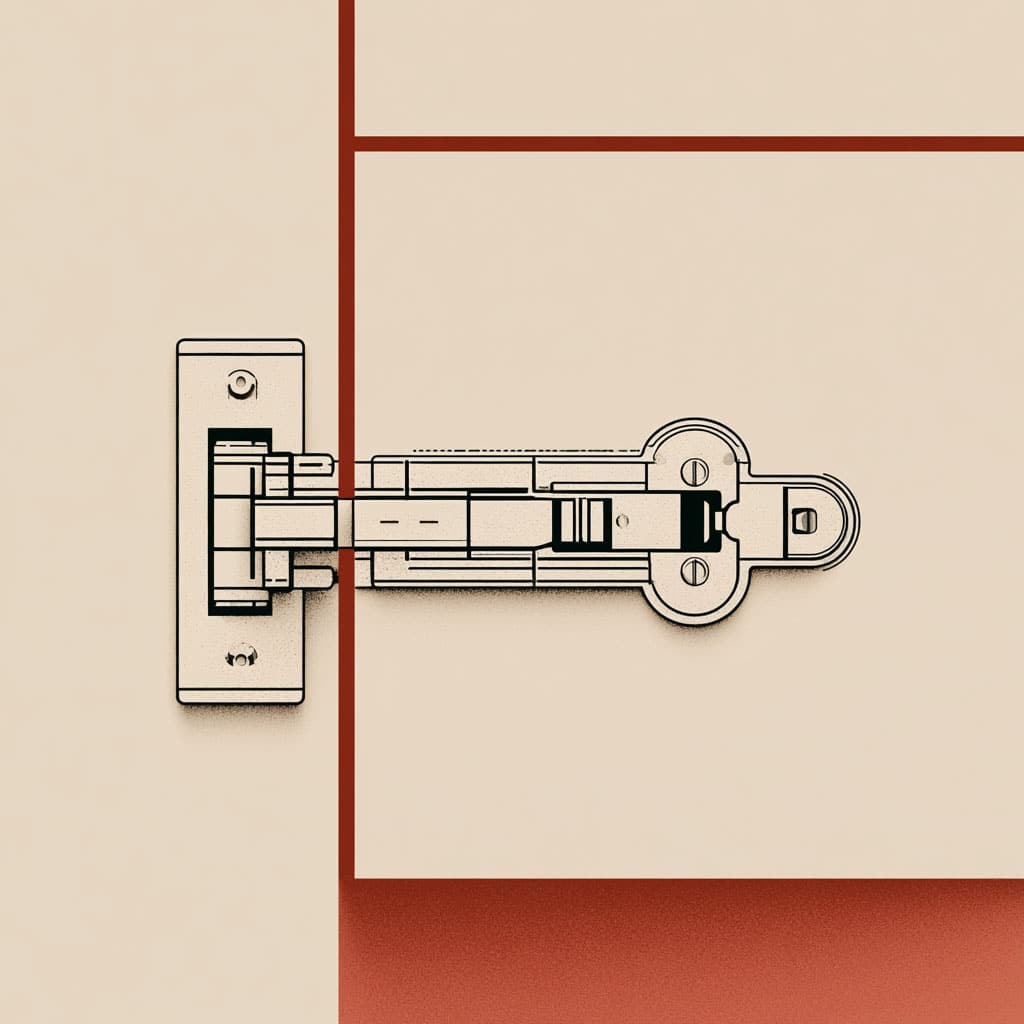
Hinges are slightly different. Most people don’t think about hinges until they’re a problem — but worn or stiff hinges affect how doors hang and close. If your doors aren’t sitting quite right before a respray, they won’t sit right afterwards either. It makes sense to deal with it at the same time.
How We Handle Handle and Hinge Replacement
Handles
We take cabinet doors off-site to our spray workshop as part of our standard process. That gives us the ideal opportunity to remove existing handles cleanly, fill any old fixings if needed, and prepare the surface properly before spraying. New handles go on once the doors are finished and rehung. If you’re changing the style of handle — say, from a knob to a bar pull — this is the time to do it.
We’re happy to advise on handle choices that suit the style and colour direction you’re going in. We work with a lot of homeowners who aren’t sure what they want at first but have a clear idea of what they don’t want. That’s usually enough to go on.
Hinges
We check the condition of existing hinges as a matter of course. If they’re functioning well and the doors are hanging true, there’s often no need to replace them. If they’re worn, misaligned, or simply not right for the weight and size of the door, we’ll tell you. Replacing hinges at this stage is straightforward — far easier than doing it separately before or after the respray.
Soft-close hinges are worth considering if your current doors don’t have them. It’s a small upgrade that makes a daily difference.
Do I Need to Source My Own Handles?
Not necessarily. Some clients come to us having already chosen their handles — they’ve found exactly what they want online or from a supplier. That’s fine. Others prefer us to source appropriate options based on the finish and style they’re going for. We can do either.
What we’d say is this: don’t leave hardware as an afterthought. Decide on your handles before the respray begins, not after. It affects how we prepare the door surfaces, and it means everything is ready to go when the doors come back from the workshop.
What About Hinges That Are Inside the Cabinet?
Concealed hinges — the kind fitted inside the cabinet body — are the most common type in modern kitchens. Because we don’t require you to empty your cupboards before we start, we work around the existing cabinet interiors throughout. If concealed hinges need replacing, we’ll do that during the door removal stage. It’s clean, straightforward work.
Will New Handles Affect the Spray Finish?
No — and this is one of the advantages of our off-site process. Doors are sprayed in our workshop environment without handles fitted. That means no masking around ironmongery, no risk of overspray on metal fittings, and a cleaner result all round. The finish we achieve using Tikkurila professional coatings is consistent across the full face of each door. Handles are fitted afterwards, so the surface beneath is as good as everywhere else.
Getting the Full Kitchen Transformation Right
A kitchen respray done properly is a significant upgrade. We’ve been doing this since 2004, and the jobs that look best — the ones clients are genuinely delighted with — are the ones where every detail has been considered. Colour, finish, and hardware working together.
It’s also worth knowing that our work comes with a 10-year guarantee. We use water-based, low-VOC paints and City & Guilds qualified finishing expertise throughout. If you’re considering other surfaces at the same time, we also carry out UPVC spray painting — useful if windows or doors need refreshing alongside the kitchen.
If you’d like to talk through a kitchen project — handles, hinges and all — take a look at our kitchen respray service or call us on 0203 355 1495. We cover Surrey and South London, and we’re straightforward to deal with from the first conversation.
FAQ
Q: Can I choose new handles before my kitchen respray starts, or does it need to be decided in advance?
A: Ideally, yes — decide on your handles before the respray begins. It affects how we prepare the door surfaces, particularly if you’re changing the fixing positions or handle style. We can advise on options, or work with handles you’ve already sourced. Either way, having this confirmed before work starts makes the whole process cleaner and faster.
Q: Is it worth replacing hinges at the same time as having kitchen doors resprayed?
A: If the hinges are worn or the doors aren’t hanging properly, absolutely. Doors that don’t sit correctly before a respray won’t sit correctly afterwards — the spray finish won’t fix a hinge problem. Since we remove doors as part of our process, replacing hinges at the same stage is straightforward and avoids a separate job later. If the hinges are in good condition, we’ll say so honestly and leave them in place.
Q: Will changing from knob handles to bar pulls cause any visible damage to my cabinet doors?
A: Changing handle style — from knobs to bar pulls, for instance — usually means different fixing positions or hole sizes. We fill and prepare any redundant fixings before spraying, so there’s no visible trace of the old hardware once the finish is applied. This is one of the reasons doing handle changes as part of a respray makes sense. The surface is prepared fresh, and the result is seamless.