How Many Coats of Paint Does a Kitchen Respray Use?
If you’re researching a kitchen respray and wondering how many coats of paint are involved, here’s the direct answer: a properly executed kitchen respray typically involves a primer coat plus two to three topcoats, depending on the substrate, the colour change, and the paint system being used. But the number of coats is only part of the story. What matters just as much — arguably more — is what happens between those coats. That’s where the quality difference lives.
Why the Number of Coats Isn’t the Whole Picture
A lot of homeowners focus on coat count when comparing quotes. I understand why. It sounds like a measurable indicator of quality. But I’ve seen two-coat jobs that look flawless after five years, and I’ve seen five-coat jobs that are peeling within twelve months. The coats matter less than the preparation and the system they’re part of.
At Ultimate Décor, we use a proven, well-tested paint process that we’ve refined over 20 years of specialist spray finishing. Every stage is deliberate. Nothing is rushed.
The Full Process: What Each Stage Does
Degreasing and Surface Preparation
Before any paint touches your kitchen doors, we clean and degrease every surface thoroughly. Kitchen cabinet doors accumulate grease, fingerprints, and cooking residue over years of use. Paint applied over contaminated surfaces will fail — it’s that simple. This step is non-negotiable.
Sanding and Keying the Surface
We sand every door and drawer front to create a key for the primer. The surface needs to be smooth and receptive. Any existing imperfections — chips, minor damage, uneven areas — are addressed at this stage. We don’t paint over problems and hope for the best.
Primer Coat
The primer seals the substrate, promotes adhesion, and gives the topcoats a consistent base to work from. Skipping primer, or using the wrong primer for the substrate, is one of the most common reasons budget resprays fail. We select the primer based on what your doors are actually made of — MDF, solid wood, thermofoil, vinyl wrap. Each material behaves differently.
Light Sanding Between Coats
Between coats, we sand again — lightly but deliberately. This removes any dust nibs, smooths the surface, and ensures each subsequent coat bonds properly. It also helps achieve that factory-quality finish with no brush marks, no texture, just clean, consistent colour.
Topcoats: Two to Three, Applied by Spray
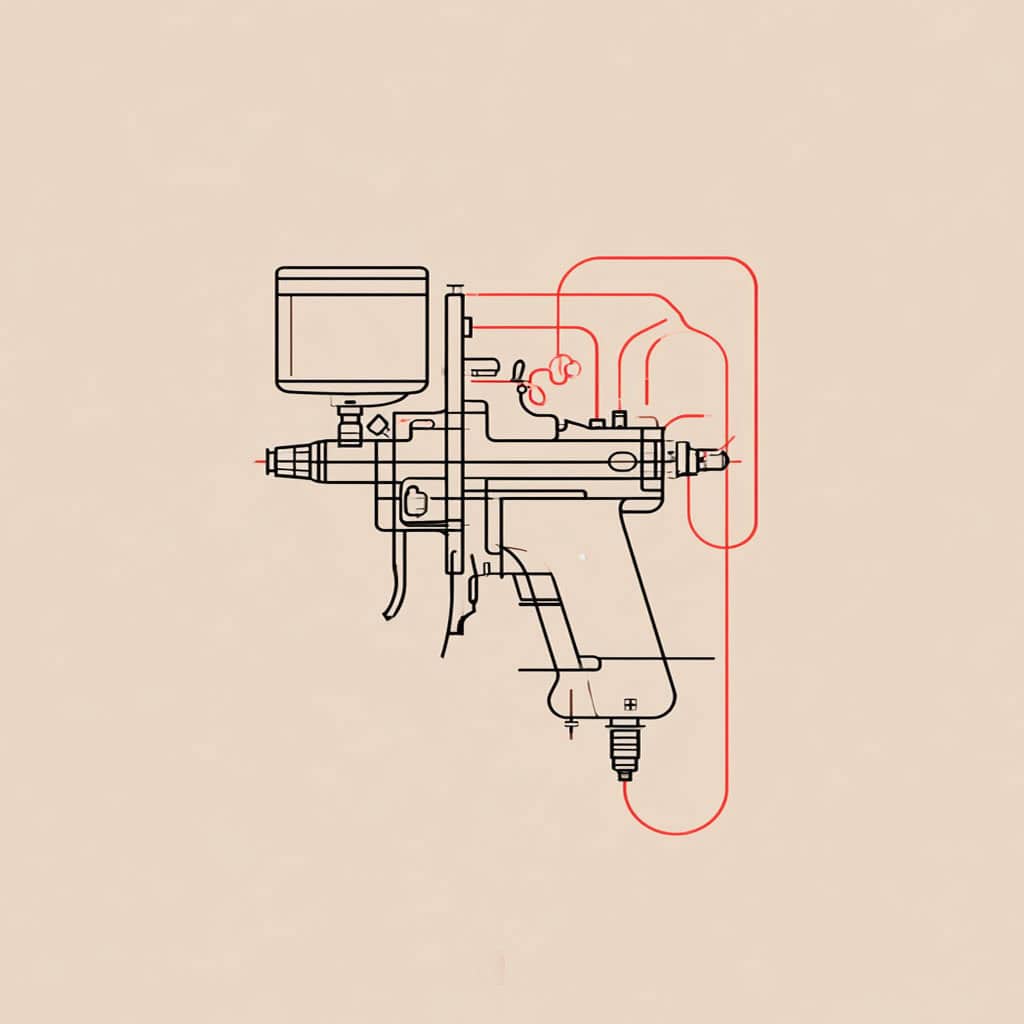
We typically apply two to three topcoats, sprayed using professional spray equipment. The spray application is what gives you a finish you simply cannot achieve with a brush or roller — perfectly even, no lap marks, no texture. We use high-quality water-based paints, including Tikkurila and Kolorbond systems, which are low-VOC and built for durability in high-use environments like kitchens.
Darker colours or dramatic colour changes — going from a dark wood effect to a pale grey, for example — may require an additional coat to achieve full, consistent coverage. We assess this for every job individually.
Doors Off-Site: Why It Makes a Difference
At Ultimate Décor, your cabinet doors are removed and taken to our specialist workshop for spraying. This is deliberate. A controlled workshop environment means no dust contamination, no overspray risk, and optimal conditions for each coat to cure properly before the next is applied. It’s one of the reasons our finishes last.
You don’t need to empty your cupboards. The carcasses stay in place. We refit your doors once the finish is fully cured and ready.
How Long Does the Full Process Take?
From the day we start, most kitchen resprays with us take around five days from start to completion. That includes removal, preparation, priming, topcoats, curing time, and refitting. We don’t rush the drying stages — cutting corners there is how finishes fail prematurely.
Does More Coats Mean a Better Finish?
Not automatically. A well-prepared surface with a quality primer and two expertly applied topcoats will outperform a poorly prepared surface with five coats every time. What you’re really paying for with a professional respray is the system — the preparation, the materials, the process, and the expertise behind it.
Our work is backed by a 10-year guarantee. That guarantee only means something because we’re confident in every stage of the process, not just the number of coats.
Is a Kitchen Respray Right for Your Home?
If your cabinet doors are structurally sound but tired, dated, or simply the wrong colour, a respray is one of the most effective ways to transform your kitchen. The finish we achieve is comparable to factory-sprayed new kitchens — at a fraction of the cost of replacement. We can match virtually any colour, including Farrow & Ball shades, and we serve homeowners across Surrey and South London.
You can explore our full kitchen respray service at Ultimate Décor’s kitchen respray page, or take a look at our complete range of specialist spray painting services if you’re also considering other areas of your home.
Ready to talk through your kitchen? Call us on 0203 355 1495 or get in touch online. We’ll give you a straight answer and an honest assessment — no pressure, no waffle.
Frequently Asked Questions
FAQ
Q: How many coats of paint are applied during a professional kitchen respray, and does more coats mean a better result?
A: A professional kitchen respray typically involves a primer coat followed by two to three topcoats, sprayed using specialist equipment. More coats don’t automatically produce a better result — thorough surface preparation and using the right paint system for the substrate matter far more. At Ultimate Décor, we assess each job individually and apply the number of coats required to achieve a consistent, durable, factory-quality finish.
FAQ
Q: What type of paint is used in a kitchen respray, and is it safe to use in a family kitchen?
A: We use high-quality, water-based low-VOC paint systems specifically formulated for hard-wearing domestic surfaces, including brands like Tikkurila and Kolorbond. These paints are durable enough for daily kitchen use, resistant to cleaning products, and safe for family environments once fully cured. Water-based systems also dry faster between coats, which contributes to a more efficient and cleaner process overall.
FAQ
Q: Do I need to empty my kitchen cupboards before a kitchen respray, and how long will my kitchen be out of use?
A: No — you don’t need to empty your cupboards. We remove the doors and take them to our specialist workshop for spraying, leaving the carcasses in place and your kitchen fully accessible throughout the process. Most kitchens are completed within around five days from start to finish, including removal, preparation, priming, topcoats, curing, and refitting.