Will a Kitchen Respray Hide Scratches and Chips?
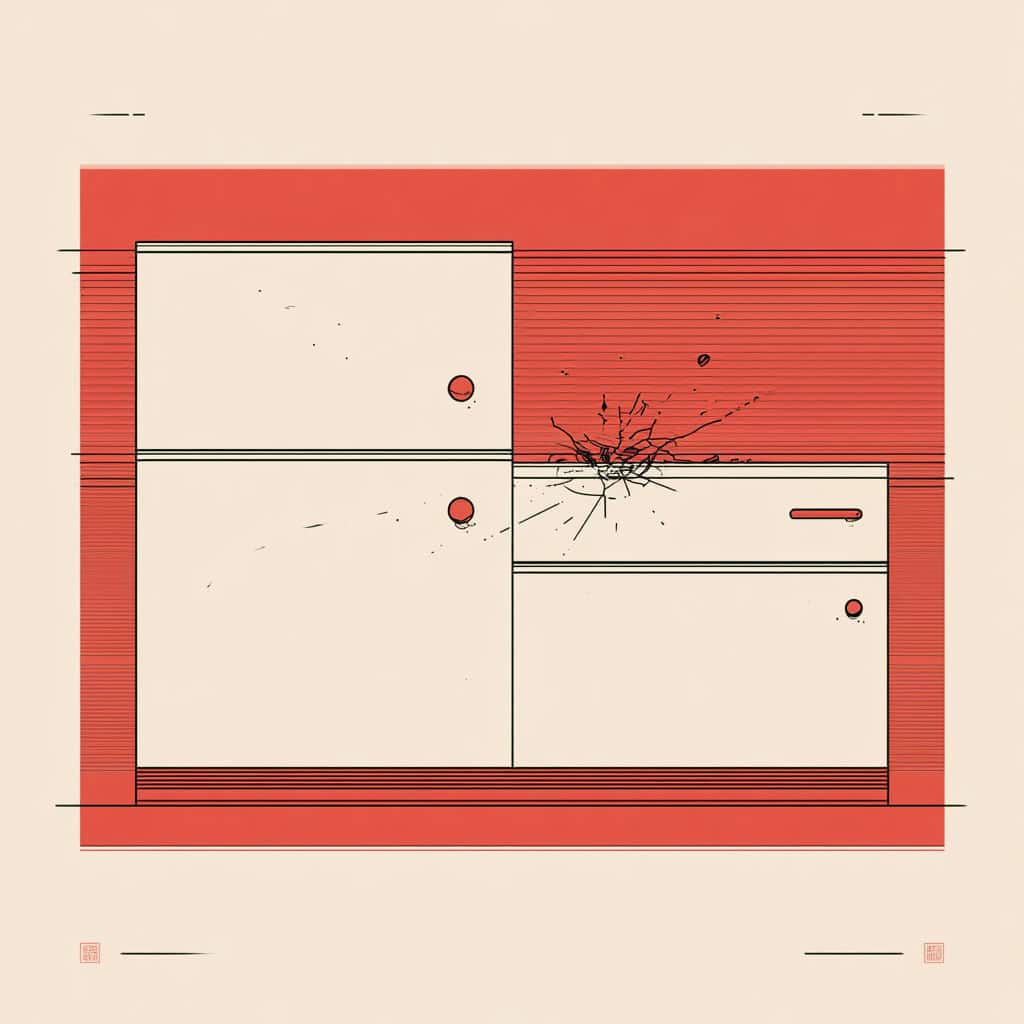
Yes — a professional kitchen respray can hide scratches and chips, but the honest answer is that it depends on the severity of the damage and how well the surface is prepared beforehand. Light surface scratches, scuffs, and minor chips are well within what a quality respray process can handle. Deep gouges or serious structural damage are a different matter. Here’s what you actually need to know.
Why Surface Preparation Is the Real Answer
The finish you get from a kitchen respray is only as good as the preparation underneath it. This is something I’ve been saying since we started Ultimate Décor in 2004, and it hasn’t changed.
Before any paint goes on, we fill, sand, and prime every surface. Minor chips and scratches are addressed at this stage. Filled properly, primed correctly, and finished with a high-build topcoat, those imperfections become invisible. You won’t see them. You won’t feel them.
What a respray cannot do is compensate for damage that hasn’t been repaired first. If someone skips proper preparation — fills poorly, skips the primer — you’ll see every flaw once the light catches the surface. That’s not a respray problem. That’s a preparation problem.
What Counts as Minor Damage?
- Light surface scratches from everyday use
- Small chips on door edges and corners
- Scuffs from cleaning or contact
- Fine cracks in the surface coating
- Water staining that hasn’t penetrated the substrate
All of the above are routine. We deal with them as part of our standard process on virtually every kitchen we respray.
What Might Need Further Assessment
- Deep gouges that have cut into the MDF or chipboard substrate
- Delaminated door faces — where the surface material is lifting or peeling
- Swollen MDF caused by water damage
- Structural damage to the carcase
These aren’t automatically deal-breakers, but they need an honest assessment. In some cases, individual doors can be replaced cost-effectively before the respray goes ahead. We’ll tell you exactly what we’re looking at when we come to survey.
The Difference a Factory-Quality Finish Makes
One reason scratches and chips become visible with a brush-applied repaint is that the paint follows the surface — every dip and hollow is still there, just painted over. Spray application is different. The fine atomisation of paint builds up more evenly and, when combined with proper filling and priming, levels the surface in a way a brush simply cannot.
We use professional spray equipment and Tikkurila paints — the same calibre of finish used in factory production. The result is a smooth, hard-wearing surface with no brush marks, no roller texture, and no visible witness of what was there before.
Our Process: How We Handle Damage Before We Spray
When we take your cabinet doors off-site to our workshop — which is how we work for the respray element — they go through a thorough assessment before anything else happens. Every surface is cleaned, degreased, and inspected. Chips and scratches are filled with appropriate filler, flatted back, and primed. Only then does the topcoat go on.
This is why our process takes around five days on average. That time matters. Rushing preparation is where quality fails. We’re not the cheapest option, and we’ve never tried to be — but the finish we deliver, backed by our 10-year guarantee, reflects that approach.
Our team is City & Guilds qualified. The process is well-tested. And we use water-based, low VOC paints throughout, so there’s minimal disruption to your home while we work.
You Don’t Need to Empty Your Cupboards
A common concern is the upheaval involved. Our approach minimises it. The doors come off, go to the workshop, and come back finished. You don’t need to empty your cupboards. The carcases and in-place surfaces are handled on-site. Most families continue using their kitchen throughout the process.
Is a Respray Worth It If Your Kitchen Has Significant Wear?
Usually, yes — even with noticeable wear. A kitchen with scratched, chipped doors that’s structurally sound is an excellent candidate for a respray. The alternative is a full replacement, which costs significantly more and creates far more disruption. A quality respray, done properly, can give you another decade or more from a kitchen you already own.
If you’re unsure whether your kitchen is suitable, the best step is a proper survey. We’ll give you a straight answer, not a sales pitch. Find out more about our kitchen respray service at Ultimate Décor, or explore our full range of specialist services at our Surrey spray painting page. You can also call us directly on 0203 355 1495.
FAQ
Q: Can a kitchen respray completely hide deep scratches and gouges in cabinet doors?
A: Deep scratches and gouges can be significantly improved through a combination of filling, sanding, and priming before the topcoat is applied. For most everyday wear, the result is a surface that looks and feels completely smooth. Very deep gouges that have broken through into the substrate may require additional filler work or, in extreme cases, door replacement before spraying — something we’ll assess and advise on clearly during our survey.
Q: Will the repaired chips still be visible after a kitchen respray?
A: Not if the preparation is done correctly. Chips are filled, flatted back, and primed before any topcoat is applied. With quality spray application, the finish levels evenly across the surface. There should be no visible or tactile evidence of where the chip was. This is one of the key advantages of professional spray finishing over brush-applied repainting, where surface irregularities are more likely to show.
Q: How long will a kitchen respray last on doors that had scratches and chips?
A: Provided the damage was properly repaired during preparation, a professionally sprayed finish should be just as durable as one applied to perfect surfaces. We back our work with a 10-year guarantee. The paint systems we use — including Tikkurila — are designed for hard-wearing domestic and commercial environments. The longevity of the finish depends on the quality of preparation and application, not on whether the original surface had minor imperfections.